AI Bias Detection: Workplace Case Studies
Explore the critical need for AI bias detection in the workplace, examining legal risks and effective solutions for fair hiring and decision-making.
Nick Blasi

AI Bias Detection: Workplace Case Studies
AI systems can unintentionally reinforce societal biases, leading to unfair outcomes in hiring, promotions, and workplace decisions. Addressing this issue is critical to avoid legal risks and foster equitable environments.
Key takeaways:
- AI bias examples: Hiring algorithms rejecting candidates based on race, gender, or age; facial recognition misidentifying minority groups; and biased performance evaluations.
- Legal risks: Companies like Workday and Facebook have faced lawsuits for discriminatory outcomes. New laws in states like New York require bias audits for AI tools.
- Detection methods: Algorithmic audits, demographic parity assessments, and explainability tools like LIME and SHAP help identify and address bias.
- Solutions: Combining technical tools (e.g., IBM Watson OpenScale, Amazon SageMaker) with human oversight and tools like Personos, which addresses interpersonal biases through personality-driven insights.
Bias detection is no longer optional - it's a legal and ethical necessity. Companies must integrate bias checks into workflows, conduct regular audits, and use tools that address both algorithmic and interpersonal biases to ensure fair workplace practices.
Why the Workday AI Bias Ruling Changes Everything for HR Tech
Methods for Detecting AI Bias
Detecting bias in AI systems requires a structured approach that combines technical analysis with continuous monitoring. Organizations must employ specific methods to identify and address bias before it leads to harm or legal issues.
Common Bias Detection Methods
One of the most widely used methods is algorithmic audits. These audits involve systematically reviewing AI outputs to identify any disparities that might affect different groups unfairly. They can be performed internally by data science teams or externally by specialized firms that bring a fresh perspective and expertise to the table[1][5]. For instance, an audit might uncover that an AI hiring tool rejects candidates over 40 years old at a significantly higher rate than younger candidates with similar qualifications. Such findings have previously led to legal challenges[1][7].
Another key method is demographic parity assessments, which compare outcomes across protected groups such as race, gender, and age. These assessments aim to answer questions like: Are women being promoted at the same rate as men? Do candidates from different ethnic backgrounds receive equal consideration? The goal isn’t to achieve perfect equality in every case but to ensure that any differences can be justified by legitimate factors rather than bias[1][5].
Algorithmic explainability tools, such as LIME and SHAP, play an essential role in making AI decision-making more transparent. These tools help identify the factors driving decisions, exposing problematic correlations in the process[5]. For example, they’ve been used to detect gender biases in candidate recommendations, shedding light on how algorithms might favor one group over another.
Access to the right data is critical for effective bias detection. Organizations need demographic data (e.g., race, gender, age), outcome data (e.g., who was hired or promoted), and detailed model input/output logs. However, collecting sensitive demographic information must align with privacy laws and ethical standards[1][3].
Building Bias Detection into Daily Operations
Leading organizations embed bias detection into their daily workflows rather than treating it as a one-off activity. For example, many integrate automated bias checks into their CI/CD (Continuous Integration/Continuous Deployment) pipelines, ensuring every new AI model or update is evaluated for bias before deployment[4]. This proactive approach transforms bias detection into an ongoing process, making it a core part of AI system management.
Periodic audits are still important, but continuous monitoring takes fairness efforts to the next level. Automated tests and real-time dashboards allow companies to quickly spot and address disparities as they arise. Some organizations now require bias reports as part of their standard model release checklist, giving fairness metrics the same priority as accuracy metrics[4].
When bias is detected, having defined escalation protocols is crucial. For example, an AI system might be paused automatically if bias metrics exceed certain thresholds, or human review might be required for decisions impacting underrepresented groups. These predefined responses help organizations act swiftly and decisively rather than scrambling to react after problems occur.
Human oversight and employee feedback remain indispensable for catching subtle biases that automated systems might miss[2].
Overcoming Challenges in Bias Detection
Despite these efforts, implementing bias detection methods comes with challenges. Limited access to model logic, particularly when working with third-party vendors, can make thorough audits difficult. Poor-quality or insufficient demographic data can hinder statistical analysis, and resource constraints may limit how often comprehensive audits can be conducted[2].
To address vendor-related issues, organizations should demand contractual obligations for regular bias audits and transparency about model logic and training data. Including provisions for independent, third-party assessments can also ensure accountability when using external AI providers[2].
Additionally, tools like Personos offer a different angle by combining AI with personality psychology. These tools generate real-time insights into interpersonal dynamics, helping organizations identify and address subtle biases that traditional demographic audits might overlook. By fostering better workplace interactions, Personos supports a more equitable environment[6].
The best bias detection programs use a combination of methods rather than relying on just one. Algorithmic audits help identify systemic issues, demographic parity assessments ensure fairness across groups, explainability tools clarify decision-making processes, and continuous monitoring catches problems as they arise. This multi-layered approach provides the comprehensive oversight needed to maintain fairness in increasingly complex AI systems.
Case Studies: Companies Using AI to Detect Workplace Bias
Examples from real-life scenarios demonstrate how bias in AI can lead to serious consequences. These cases emphasize the importance of ongoing audits and transparent corrective actions to address such issues effectively. They also pave the way for exploring tools and strategies to mitigate entrenched biases.
Health Insurance Company: Biased Care Denial Systems
A U.S. hospital's algorithm, which relied on historical spending data, systematically underestimated the care needs of Black patients. This issue stemmed from long-standing inequities embedded in the data. Statistical reviews and outcome-based analysis revealed that the algorithm consistently undervalued the medical needs of Black patients when compared to white patients with similar conditions. The discovery led to regulatory scrutiny, requiring hospitals and insurers to increase transparency, conduct bias audits, and improve oversight of healthcare algorithms. Some states even enacted laws mandating regular bias testing and detailed reporting of algorithmic decisions. This case highlights how biased training data can perpetuate inequities in AI systems, especially in critical sectors like healthcare.
Hiring Algorithm Discrimination Cases
Bias in AI-driven hiring tools has been at the center of several high-profile lawsuits. For example, a Black applicant over 40 with a disability faced repeated rejections from an AI screening tool, leading to a class-action lawsuit alleging age discrimination [1].
Another instance involved LinkedIn, where researchers found that its job recommendation algorithm favored male candidates over equally qualified female candidates. A 2022 study revealed that when users searched for female names, the system often suggested male alternatives [1]. Similarly, Facebook (now Meta) faced legal challenges when its job advertising system allowed employers to target ads based on age, effectively excluding older workers. This practice violated the Age Discrimination in Employment Act (ADEA) and resulted in settlements and policy changes [1].
In response, companies have taken steps to address these biases. Measures include introducing fairness metrics, incorporating human reviews into AI decision-making processes, and informing candidates when automated profiling is used. These actions underscore the need for robust and proactive bias detection in hiring systems.
Facial Recognition Problems in Office Security
Facial recognition systems have shown a troubling tendency to misidentify people of color and women more frequently than white men. This disparity largely arises from training data that fails to adequately represent diverse groups. For example, some systems misclassified images of Black women's natural hairstyles, exposing significant flaws in the technology [1].
To tackle these issues, many organizations have retrained their facial recognition models using more inclusive datasets and implemented regular audits. In critical situations, companies have also added manual verification steps to ensure AI decisions do not unfairly impact employee access or evaluations. These efforts highlight the importance of combining technical audits with human oversight to minimize bias.
These cases illustrate the pressing need for regular audits, human involvement, and transparent processes to ensure bias detection becomes a standard part of AI operations.
sbb-itb-f8fc6bf
Tools for Finding and Fixing AI Bias
The workplace bias cases we've explored highlight the growing need for tools designed to detect and address algorithmic discrimination. To stay ahead of potential legal and ethical pitfalls, many organizations are now relying on advanced AI platforms to monitor their systems and minimize biased outcomes.
Popular AI Bias Detection Tools
IBM Watson OpenScale offers a powerful solution for identifying bias in AI models. This platform provides real-time monitoring for fairness, explainability, and data drift. With its detailed dashboards and automated reporting features, it integrates smoothly into existing HR workflows using APIs and cloud-based connectors.
Amazon SageMaker Model Monitor takes a slightly different approach. It automatically tracks data and model predictions to identify patterns of bias. When issues arise, users are alerted, allowing for quick corrective action. This tool has proven especially useful for large-scale recruitment efforts, where it can evaluate thousands of applications and flag biased outcomes in real time.
These platforms analyze both structured and unstructured data, such as resumes, job applications, employee records, and performance reviews. Many also incorporate explainable AI techniques, which break down how decisions are made and highlight the factors contributing to biased results.
The seamless integration of these tools into HR processes makes them invaluable for monitoring recruitment, promotions, and performance evaluations. They provide actionable insights that help organizations intervene early and stay compliant with anti-discrimination regulations.
While these tools are excellent for addressing algorithmic biases, interpersonal biases require a different kind of solution.
How Personos Improves Workplace Communication
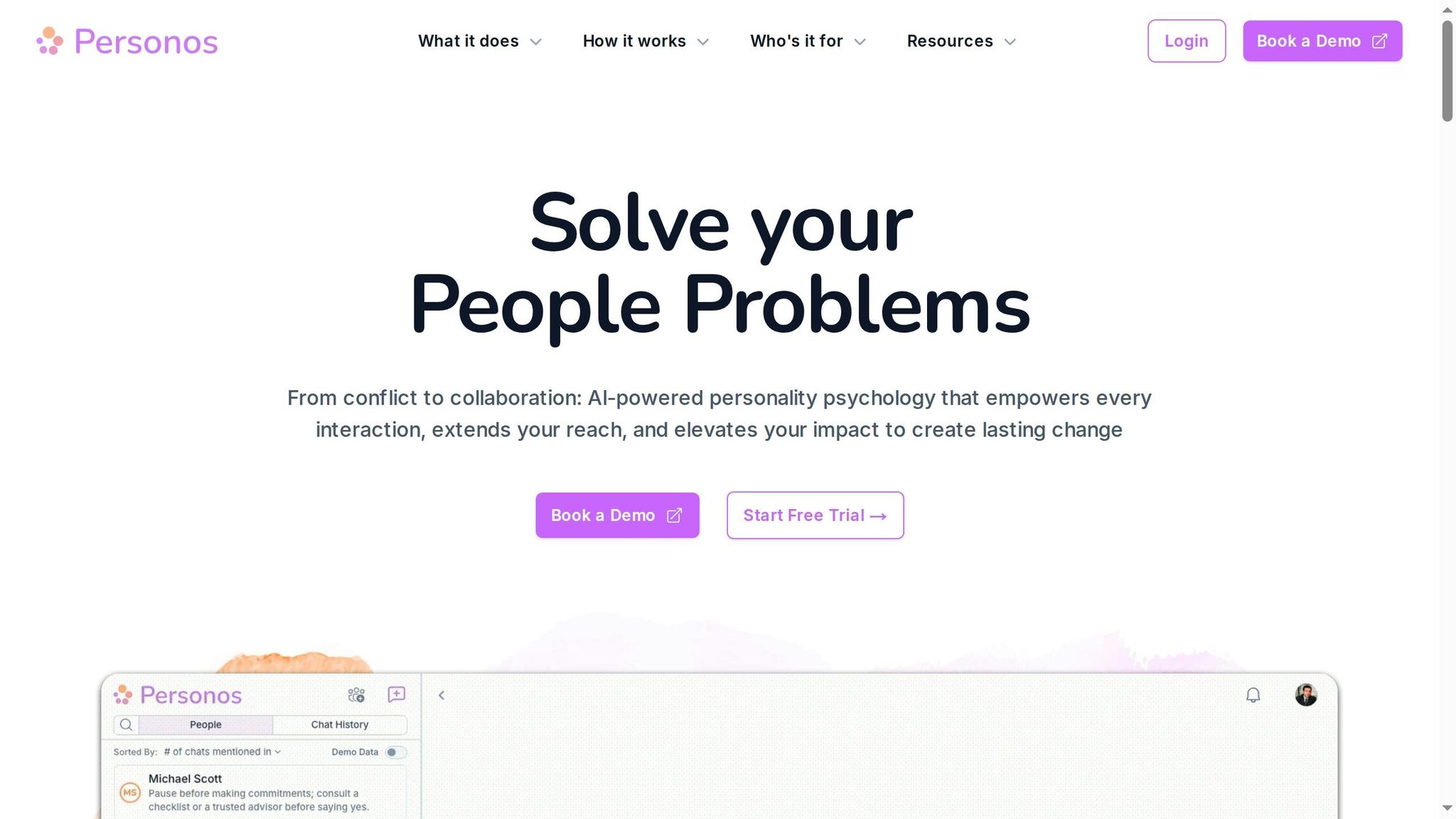
Shifting from algorithmic bias to interpersonal bias, Personos focuses on the personality-driven misunderstandings that often lead to workplace conflicts. These biases frequently stem from differences in communication styles and assumptions among team members.
Personos uses AI-powered personality assessments combined with psychology to analyze team dynamics and individual communication styles. It generates tailored reports that highlight key personality traits and situational factors, helping uncover potential "blind spots" in workplace interactions. These reports offer practical guidance on how to adjust communication approaches to reduce misunderstandings.
The platform’s dynamic personality reports and targeted communication prompts are especially useful for managers. For instance, if a manager’s direct, results-oriented communication style clashes with a team member’s preference for relationship-building and context, Personos identifies this mismatch and suggests specific adjustments to improve collaboration.
Personos Chat, a conversational AI feature, provides real-time, personalized communication advice. It helps users anticipate how their words might be perceived and offers specific phrases to resolve potential issues. The tool’s Transparent Reasoning feature explains why certain communication strategies work better with specific personality types, giving users a deeper understanding of effective interaction.
At $9 per seat per month, the Personos Pro plan includes features like specialized chats, an ActionBoard, and reporting tools. This makes it a cost-effective way for organizations to address personality-driven biases, complementing technical bias detection tools and fostering better workplace communication.
What We Learned: Best Practices for AI Bias Detection
Workplace AI bias cases offer valuable insights into creating fair and equitable systems. By analyzing these case studies, we can identify several practical strategies.
Main Lessons from These Case Studies
Human oversight is critical in AI-driven workplace decisions. For example, the Money Bank case study showed that adding human review to AI-generated shortlists significantly reduced discriminatory outcomes. It also underscored the importance of requiring vendors to disclose algorithmic logic and provide regular fairness reports, ensuring compliance with anti-discrimination laws[2].
Regular bias audits and transparency requirements are key for both legal and ethical safeguards. When LinkedIn identified gender bias in its algorithms, the company quickly introduced fairness metrics and updated its processes. Organizations that delay addressing these issues face greater legal risks and potential damage to their reputation.
Embedding fairness metrics into contracts and workflows ensures vendors are held accountable and helps prevent bias from becoming ingrained in systems.
Real-world testing is essential because it uncovers discrimination patterns that theoretical models often overlook. Testing has consistently revealed biases based on names and gender, emphasizing the need for ongoing monitoring using actual demographic data.
Collaboration between HR, legal, and data teams is vital for tackling both technical and organizational challenges related to equity. Together, these teams can create more comprehensive solutions to mitigate bias.
Using Personality Data to Reduce Bias
While technical tools are effective at identifying algorithmic biases, interpersonal biases - rooted in communication dynamics - require a different approach. These biases often emerge from mismatched communication styles, leading to unfair workplace dynamics.
Personos bridges this gap by using AI-driven personality psychology to uncover and address interpersonal biases before they escalate. The platform evaluates 30 personality traits alongside contextual factors to produce detailed reports that highlight hidden bias patterns within teams.
Dynamic personality reports provide managers with insights into how their communication style might unintentionally create bias. For instance, a manager focused on results might undervalue team members who prioritize relationship-building, leading to skewed performance evaluations. Personos identifies these mismatches and suggests specific communication adjustments to promote fairness.
Personos Chat offers real-time guidance to address personality-driven biases. Its Transparent Reasoning feature explains why certain communication strategies are more effective with specific personality types, helping users recognize and correct unconscious biases immediately.
One organization using Personos saw a 45% reduction in team turnover within six months by addressing biases that were disrupting team dynamics. Sarah Mitchell, VP of Operations, shared:
"Personos helped us understand why certain team dynamics weren't working and gave managers the exact words to fix it. Now we can't imagine work without it."
Combining technical tools for algorithmic bias detection with personality-based solutions like Personos creates a well-rounded approach to bias prevention. At just $9 per seat per month, Personos provides an affordable way to complement traditional detection methods.
Proactive communication prompts further enhance workplace equity by addressing potential biases before they result in complaints. These insights ensure all team members receive fair treatment tailored to their unique communication styles and work preferences.
Conclusion
The workplace AI bias cases discussed here highlight a vital takeaway: identifying and addressing bias is crucial for staying legally compliant and ensuring organizational success. High-profile lawsuits have shown the legal risks of ignoring bias, with courts now approving collective-action certifications for discrimination cases involving thousands of applicants[1]. These legal battles emphasize the importance of combining technical and human-centered solutions to tackle bias effectively.
The stakes are high - both financially and legally. Recent legal precedents make it clear that organizations cannot simply trust vendor assurances. Instead, they need robust strategies to detect and mitigate bias. As stricter regulations emerge across the country, taking proactive steps is no longer optional - it’s necessary[1][8].
However, relying solely on technical fixes won’t cut it. While algorithmic audits and fairness metrics are essential for identifying systemic bias in hiring algorithms and automated decision-making, they often overlook interpersonal biases. These biases can arise from mismatched communication styles or personality differences. That’s where tools like Personos come in. By integrating AI-driven personality psychology with real-time communication insights, Personos addresses the human side of bias that traditional methods miss - all at an accessible price of $9 per seat per month.
The most successful organizations take a comprehensive approach, combining technical audits with personality-based tools. This dual strategy tackles both algorithmic and interpersonal biases, reinforcing the central message: effective bias detection requires both technical accuracy and human understanding. Companies that adopt this approach will not only create fairer workplaces but also shield themselves from the increasing legal and financial risks tied to AI-driven discrimination.
FAQs
How can companies identify and reduce bias in AI systems used for hiring and promotions?
Organizations looking to reduce bias in AI systems for hiring and promotions can take a few key actions. To start, it's crucial to train AI models using data that is both diverse and representative. This helps prevent the models from perpetuating existing biases. Regularly auditing algorithms and their results is another important step to catch and correct any discriminatory patterns early on.
Bringing together interdisciplinary teams - including HR professionals, data scientists, and ethicists - can also make a big difference. These diverse perspectives help create systems that emphasize fairness and transparency. Tools like Personos, which uses AI to analyze interpersonal dynamics and resolve conflicts, can further support more balanced and equitable workplace decisions.
Above all, organizations must commit to ongoing monitoring and updates to their AI systems. This continuous effort is key to building trust and ensuring fairness in AI-driven decision-making processes.
What are the potential legal risks for companies if their AI systems display bias?
If a company's AI system is found to exhibit bias, the fallout can be severe. The organization might face discrimination lawsuits, hefty regulatory fines, and significant harm to its reputation. In the U.S., laws like Title VII of the Civil Rights Act explicitly prohibit workplace discrimination, and a biased AI system could potentially violate these legal protections.
To reduce these risks, companies need to emphasize transparency, conduct regular audits of their AI systems to identify and address bias, and take corrective actions when necessary. Tools like Personos, designed to enhance communication and interpersonal dynamics, can also play a role in helping organizations tackle potential conflicts and promote fairness in the workplace.
How can tools like Personos help uncover and address interpersonal biases in workplace conflicts?
Personos combines AI technology with principles of personality psychology to deliver actionable insights into how people interact. This approach shines a light on biases that might slip through the cracks during standard algorithmic reviews. With tools like personalized conversational AI, dynamic personality reports, and relationship and group analysis, it equips teams to better understand individual communication styles and personality traits.
By digging into these insights, organizations can tackle workplace conflicts head-on, encouraging clearer communication, strengthening team relationships, and uncovering hidden biases. This creates a foundation for a more inclusive and cooperative work setting.